“Japanese wellness retreat” often turns up in trip planning searches, but it isn’t a fixed package you book from one place—it’s a way of shaping a trip so that onsen, ryokan, and quiet time take priority over a packed sightseeing list. This guide walks through what tends to make that kind of trip feel restful rather than rushed, and a simple two-to-three day structure to start planning from.
What makes a trip feel like a retreat, not an itinerary
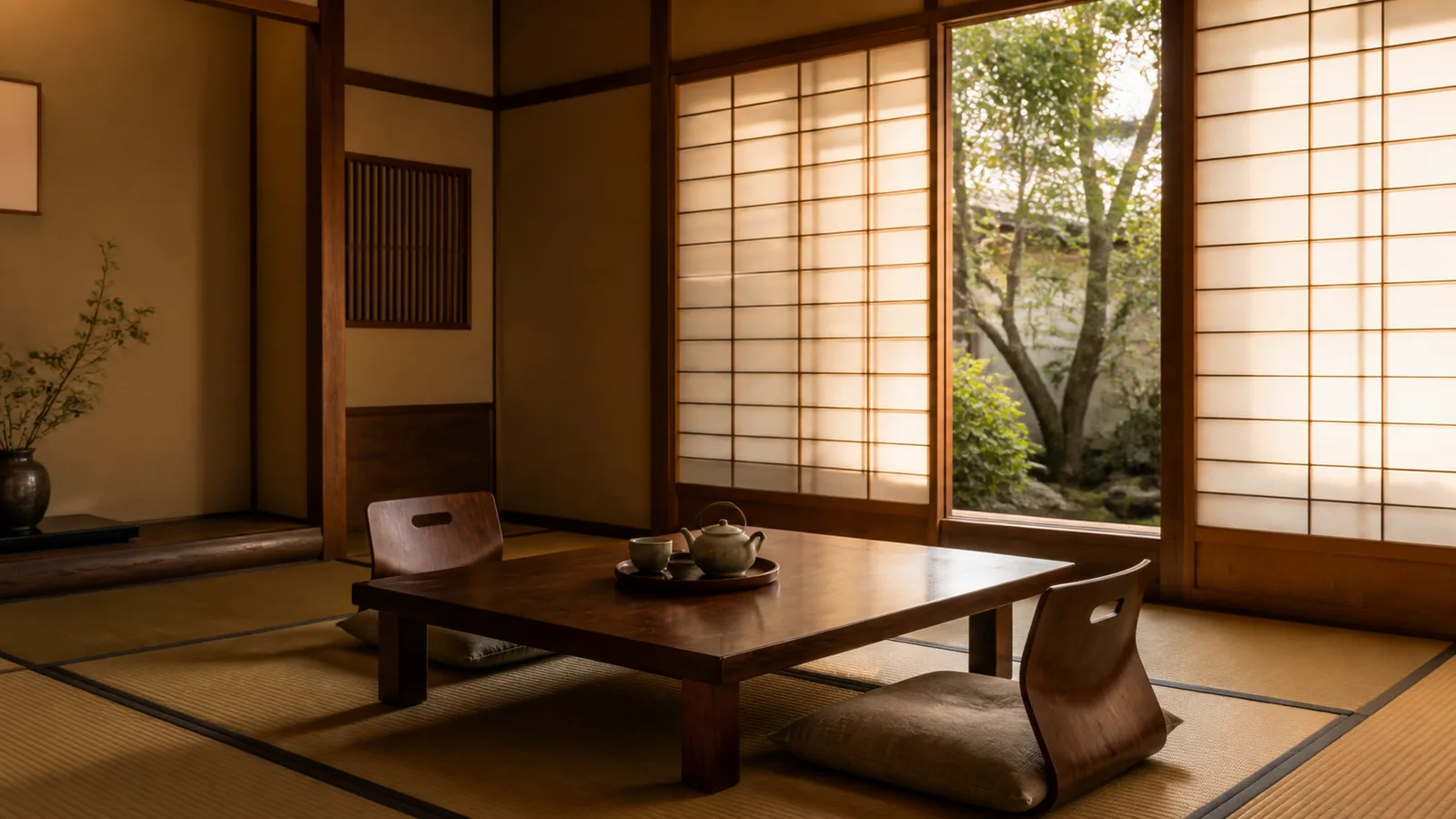
A typical Japan sightseeing trip moves: a different neighborhood or town most days, a list of sights to reach before it closes, an evening spent planning the next one. A retreat-style trip flips that around by picking one base—usually a ryokan in a single onsen town—and building the days around it instead of around a list of stops. Japan’s official tourism guide calls onsen bathing “one of Japan’s most relaxing and restorative experiences,” and separately advises against overstaying in the water—taking it slow and stepping out for a drink of cool water if you start to feel too hot. Stretching that same unhurried pace across a whole trip, instead of squeezing it between sightseeing stops, is the basic idea behind a wellness-style retreat.
A simple two-to-three day structure to start from
There’s no single correct itinerary, but a plan like this is a reasonable starting point for a first attempt:
- Day 1 — Arrive and settle in. Travel to your onsen town, check into your ryokan in the early-to-mid afternoon (ryokan check-in tends to run earlier than a typical hotel), and take your first bath before dinner rather than saving it for the next morning.
- Day 2 — Leave the middle of the day open. Resist the urge to fill it with a full sightseeing plan. A short walk, a second bath, and time spent doing nothing in particular are the point of this kind of day, not a sign that you’re wasting the trip.
- Day 3 — One more soak, then go. A final bath before checkout, and a slow rather than rushed departure, so the last hours of the trip don’t undo the pace you kept for the rest of it.
If three days isn’t realistic, the same idea scales down to a single overnight stay—one base, one or two baths, and an afternoon or evening with nothing scheduled.
Choosing a base to stay at
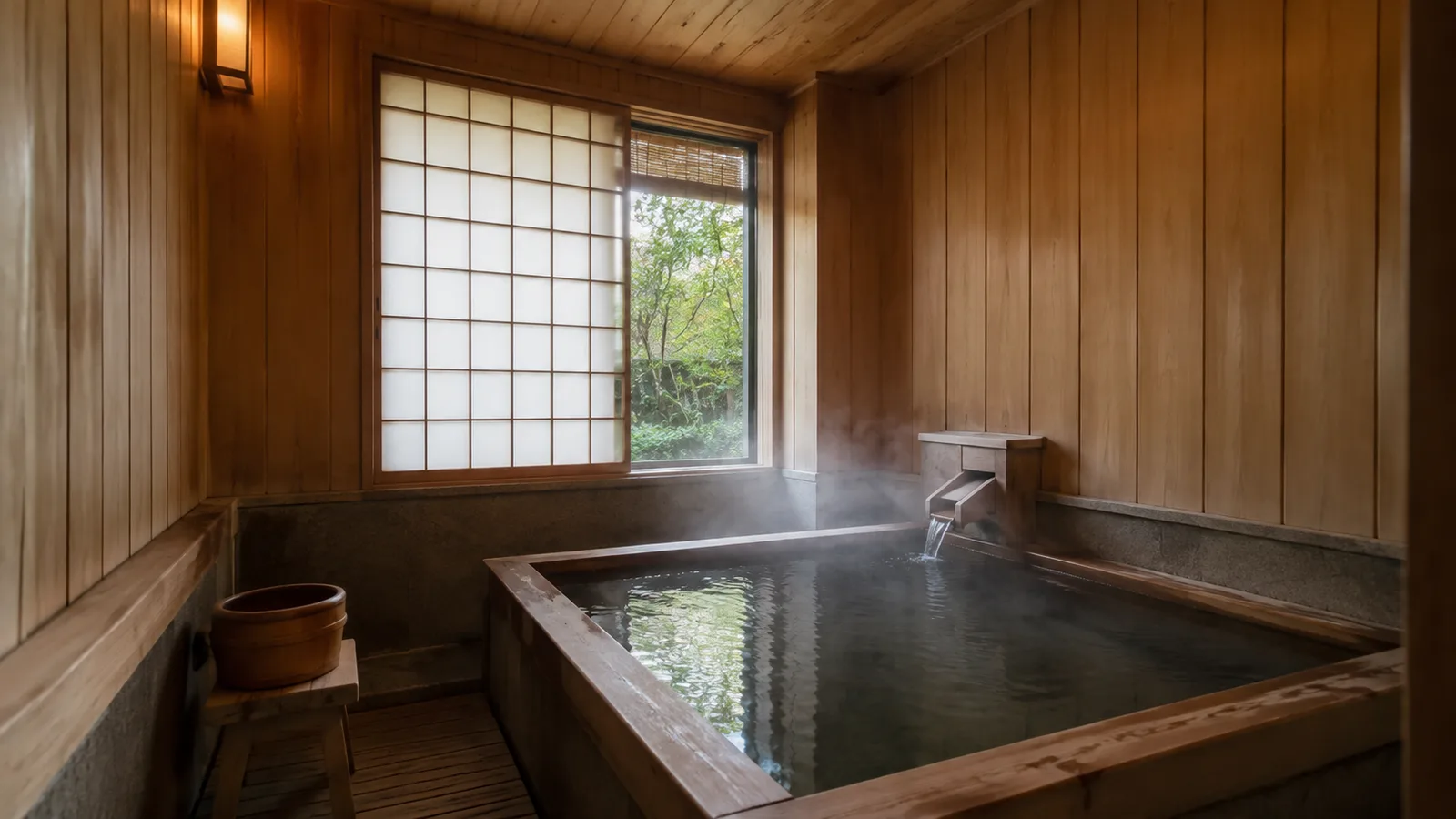
The biggest planning decision is where to stay, not how many places to see. Our guide to what a ryokan is and what a stay includes covers the basics—tatami rooms, included meals, and how bath arrangements vary from shared baths to rooms with their own private bath. For a retreat-style trip, a ryokan with an in-room or reservable-private bath is worth prioritizing if quiet, unhurried bathing matters more to you than a shared communal bath.
Not sure which region to base yourself in? Our guide to Japan’s onsen towns covers a few well-known destinations, and our overview of sento, onsen, and super sento explains how the different bathing options compare if you’re weighing a public bathhouse against a ryokan’s own bath.
What to pack, and what to leave off the plan
Our onsen packing guide covers the practical basics—towel, coins for a locker, and what a ryokan is likely to already provide. Beyond packing, the more useful habit for a retreat-style trip is what you leave off the plan: a second sightseeing stop “just in case there’s time,” a long train transfer squeezed into the middle of a rest day, or a schedule so tight that a late train turns into a stressful evening instead of a minor delay.
If a tattoo is a consideration for you, checking a property’s policy in advance saves a wasted trip—see our guide to tattoos at a Japanese onsen for how to plan around it before you book.
If that last point is the one that matters to you, here is one concrete example of the shape: a ryokan in Kotohira, on Shikoku, a few minutes’ walk from the station, which keeps six onsen baths and lets guests book any of them privately. The quiet soak isn’t something you have to hope for on arrival. Two honest notes before you look. It sits well off the usual Tokyo–Kyoto line, which is either the point of a trip like this or a dealbreaker, depending on yours. And the property tells booking platforms that little or no English is spoken on site—booking itself is in English, but expect to get by with a translation app once you are there.
See the Kotohira ryokan with private baths on KKdayThis page contains affiliate links. If you book through them, AHH, JAPAN may earn a commission at no extra cost to you.
Before you book
A few things are worth confirming directly with the ryokan or hotel before committing, since they vary property by property and can change over time: whether the bath is shared, reservable-private, or in your own room; what meals are included and when they’re served; the property’s tattoo policy if it applies to you; and current rates and cancellation terms on the property’s own official site. None of this needs to feel like homework—it’s the same short checklist worth running through for any ryokan stay, retreat-paced or not.
In closing
A Japanese wellness retreat isn’t a specific product you book—it’s a trip built around one base, a slower pace, and fewer things to check off. Pick a ryokan, leave real gaps in the schedule, and let the baths be the plan rather than a break from it.
Take it slow. Ahh…
Some editorial images in this article were AI-generated and do not depict specific venues.